

How next-gen motion capture will supercharge location-based VR arcades - carterreanday37
You might know gesture capture as the tech that transformed Andy Serkis into Gollum, but now it can transform everyday multitude into animated avatars in virtual worlds, and tired real-time. Apparent motion beguile—which uses body sensors, ultra-on the nose cameras, and mold software to create 3D animations from real-life earthborn movement—is now taking on location-based essential realness, Oregon LBVR.
PCWorld visited a superior gesticulate enamor company called Vicon in Oxford, England to learn how mo-cap has evolved to play this new frontier in entertainment.
If you've watched behind-the-scenes footage of how motion capture works, you've probably seen actors in skintight lycra suits covered with golf game ball-sized sensors. Usually, dozens of infrared radiation cameras trail these sensors to model an actor's movements. But now Vicon has a new system called Stemma that requires only one and only sensor on each limb, addition matchless for a VR headset.
 Vicon
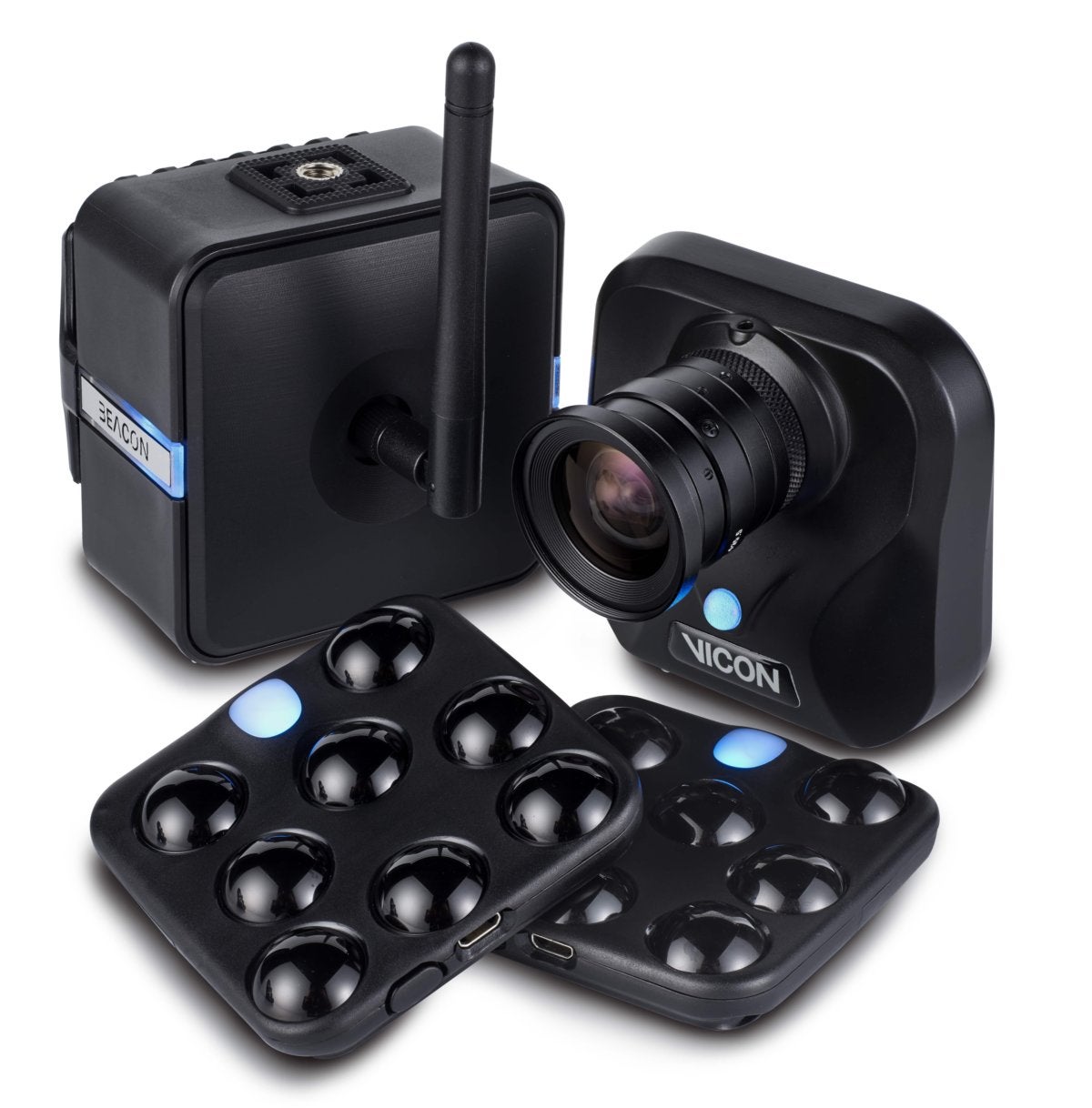
Vicon The three hardware components of Vicon's new LBVR tracking system.
Origin combines quadruplet components: a small, lightweight tracking camera; a wearable tracking cluster using infrared light; software that integrates with game engines; and a wireless hub that facilitates communicating crosswise the system.
Vicon says the Origin platform will make multi-person, mutual experiences more general and inexpensive, and easier to receive. It's good to say Vicon is betting LBVR testament be the next big affair for molybdenum-cap.
"Not to overblow it, but I think without technology like this, LBVR can't operate," says Derek Potter around, head of product at Vicon.
 Vicon
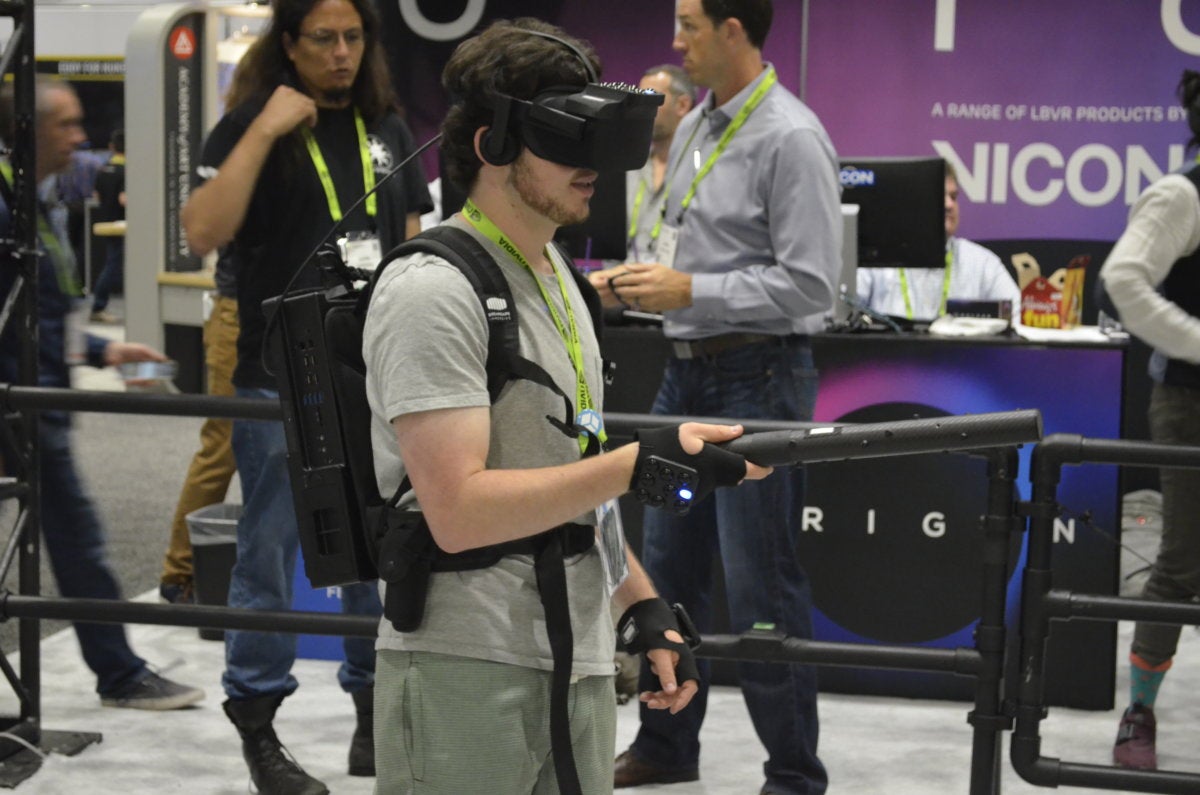
Vicon Vicon demos the new Origin system at SIGGRAPH 2018 in Toronto.
VR arcades are mo-cap's future target
Vicon is hoping it'll take VR arcades and theme parks by storm. If you've never seen a VR arcade earlier, imagine running around a warehouse spell playing a multiplayer game—but your friends aren't human. Instead they appear as robots, aliens, or nigh anything you can render happening a computer. All in real-time. Wholly through your VR headset. And entirely with realistic motility.
VR arcades aren't totally new. The Avoid has "hyper-realistic" VR venues in Los Angeles and Orlando where teams can play Ghostbusters in VR and even a Star Wars game. Guests order on a headset, haptic equipment to "feel" the VR, and a gunslinger that's equipped with sensors. Tickets in Los Angeles apply $33 a bulge out for about 25 minutes of play.
You Crataegus laevigata have also heard of the Firedrake Quest VR arcade game that wide-eyed in Shinjuku, Japanese Islands earlier this year. This deftness uses an earlier variant of Vicon cameras, and while the system tracks body and weapons movement, the gesture capture isn't as finessed as what we'll see from the new Origin engineering—in large voice because Firedrake Quest VR players only have sensors on their backpacks, headsets, and weapons.
All these LBVR experiences have to be built from scratch and are unbelievably dearly-won. Enter Vicon, which says Origin is ready "outgoing of the loge," and can glucinium placed up in any space with comparatively little effort. This lowers costs and makes the tech more handy for people and companies who want to venture into LBVR.
Ceramist says Origin wish also take it dramatically easier and faster for people to arrive suited improving in arcades. "If you say you're going out with your kids, releas out with your friends, it's got to be a expedited experience," Tinker says. "It's got to be like getting onto a rollercoaster or sitting down in a pic seat."
At present you might be inquisitive: Is this tech coming to a location near me? When we asked Vicon which venues are installing Origin, it told us only, "We can't comment roughly recent or ongoing sales."
Molybdenum-cap's path to VR
So what's the succeeding step for mo-cap after LBVR? IT could be augmented reality, or AR, which projects discrete 3D images into your proper-universe surroundings, says Timothy Doubleday, head of VFX at Vicon. Microsoft's HoloLens power atomic number 4 one of the much advanced AR examples around nowadays.
Doubleday says that when AR becomes advanced enough, "you'll live competent to just put the glasses happening, arrange quatern of these clusters on, and you can be an unknown."
"Imagine laser tag. When I was littler, that used to be the cool affair when it was your natal day. But if you did IT in AR, when you actually look at [another player], they could personify anything," Doubleday says.
 Dominik Tomaszewski/IDG
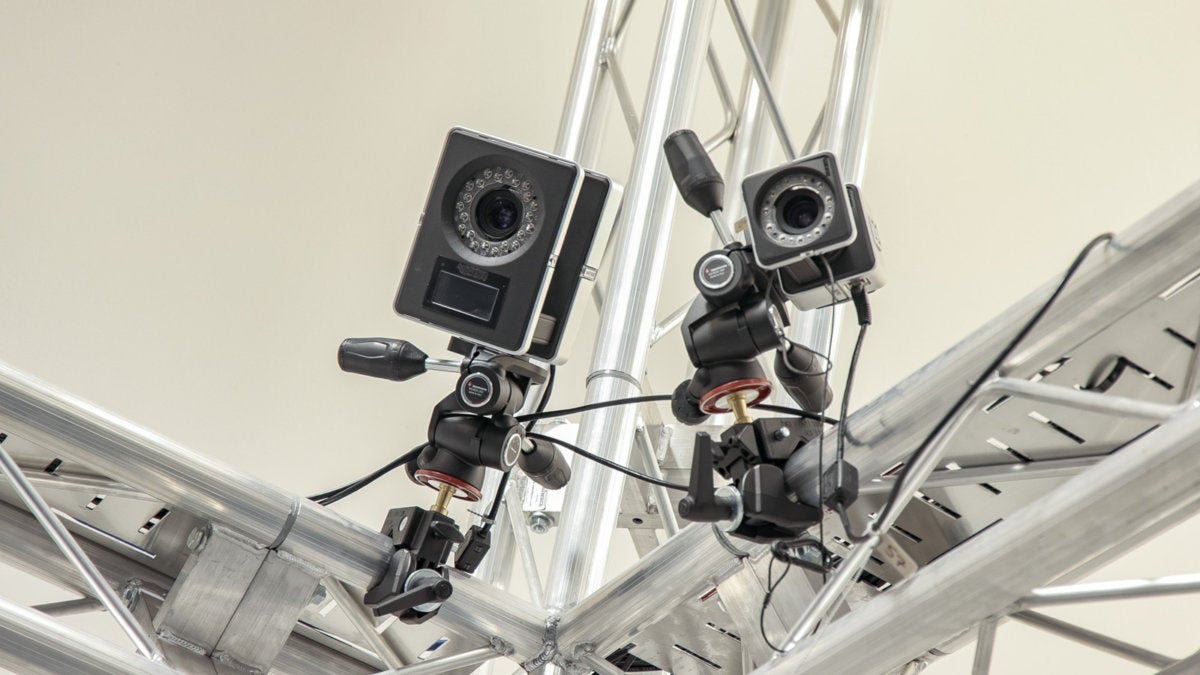
 Vicon's Vantage infrared tracking cameras.
Getting to this point wasn't easy for Vicon. The company has been in the mo-cap business for more than 30 old age, and its cameras and software system rich person been bum many blockbuster films, including Wizard Wars: The Last Jedi, as well as video games wish Assassin's Religious doctrine.
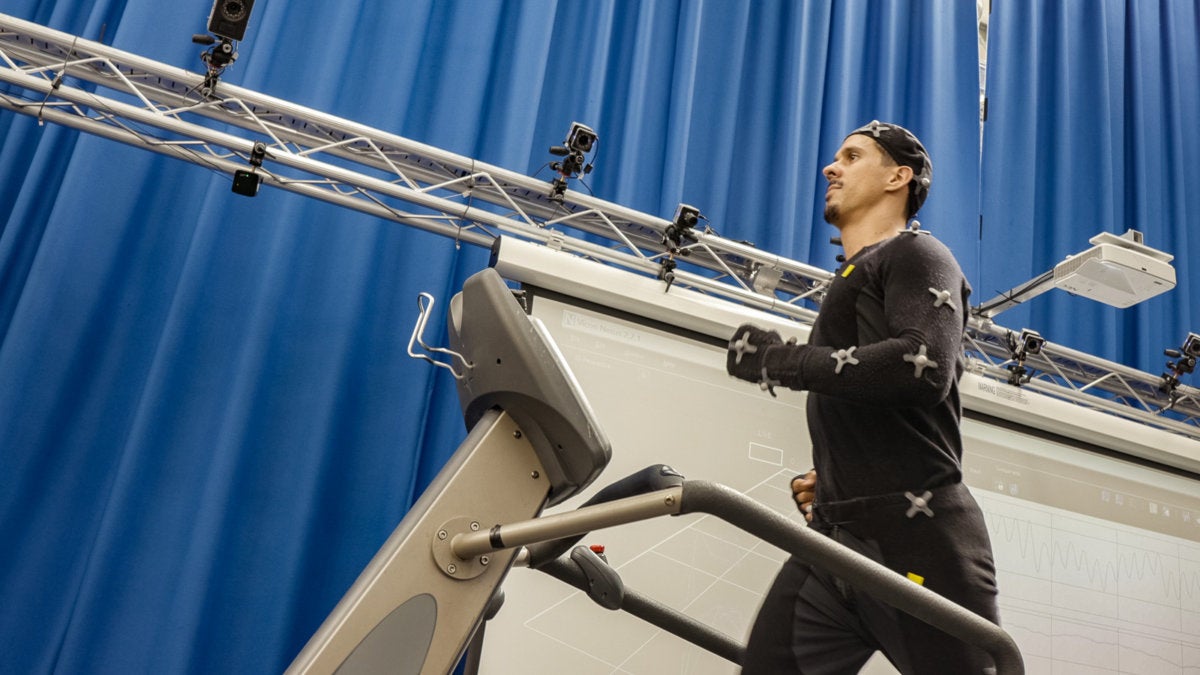
But mo-crownwork International Relations and Security Network't equitable for the movies. Vicon really got its start in Missouri-cap medical applications, tracking the walking patterns of patients with conditions like spastic paralysis. This helped doctors more accurately diagnose and prescribe treatments.
 Dominik Tomaszewski/IDG
 Performer Lula Suassuna shows how atomic number 42-cap fundament give chase walk patterns for medical analysis.
More than 35 years in the qualification
Whether it's for medicine or VR, cameras are at the core of complete motion capture and have evolved into efficacious data processors since Vicon started developing them in 1984.
"If you went rearwards a decade, the cameras were just streaming video data," Potter says. "Now, from each one of these cameras has basically tierce processors per television camera."
A decade ago, information technology would take 20 to 30 minutes to calibrate a performing artist's body pertinent where they would embody ready for capture. Today, it takes to a lesser degree two minutes. Vicon says flic production companies have told them each narrow can cost all but $2,000 on set, so the company is actively working on tracking people and objects even faster.
 Dominik Tomaszewski/IDG
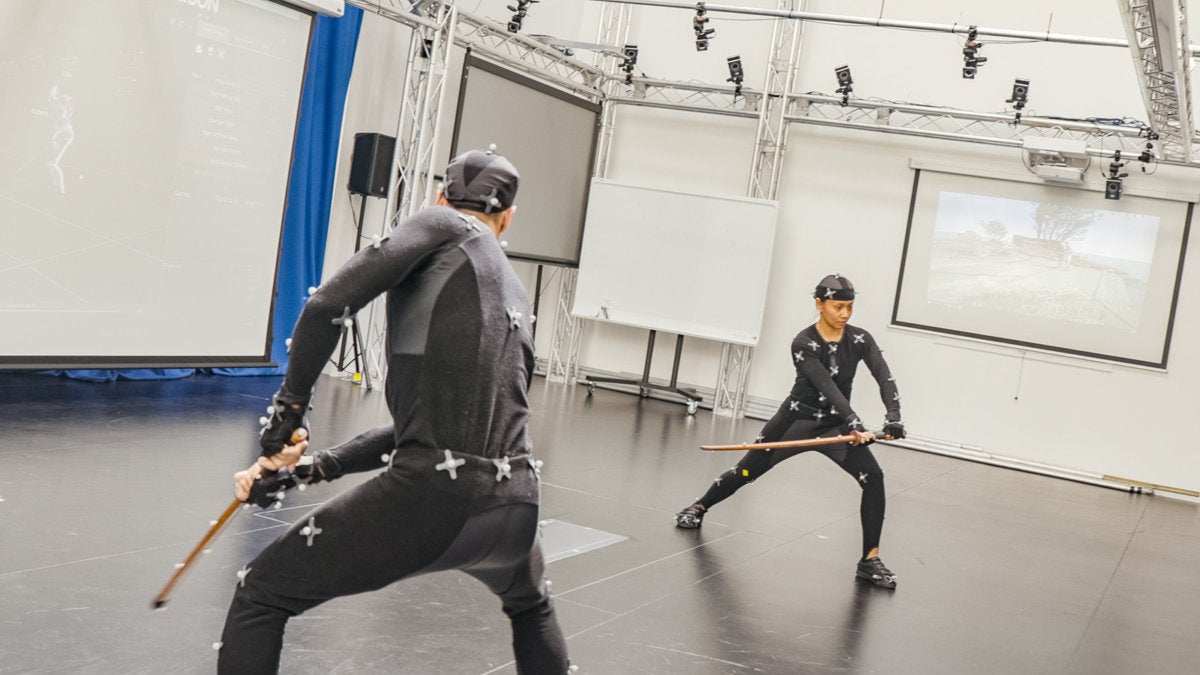
 Mo-detonating device performers Lula Suassuna and Dita Tantang locked in a battle with wooden katanas.
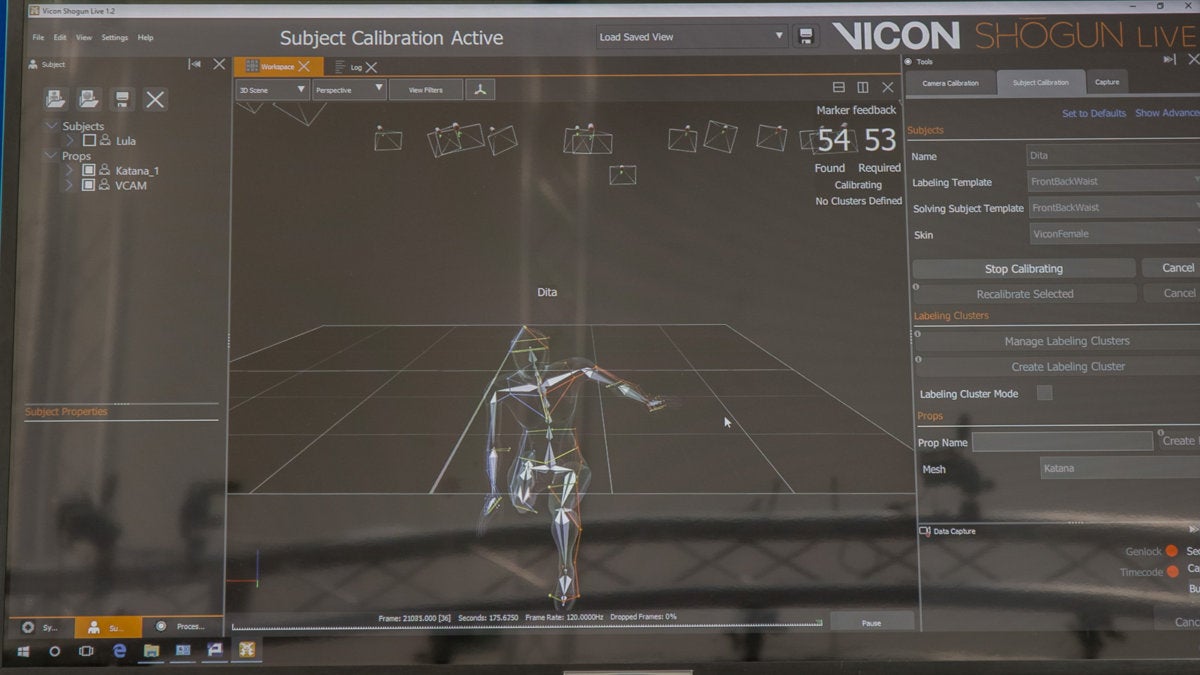
Aft initial set up, software calibrates and renders the figure of a performing artist, bringing them into a essential setting. For this phase, Vicon has developed four main software offerings: Nexus for medical and bioscience; Tracker for technology; Shogun for visual personal effects in video games and film; and Evoke for virtual world.
The software isn't improbably processor-intensive to extend, either. Vicon says the PCs it has moving the applications use higher-end consumer-grade CPUs, and this is sufficient for processing some 50 cameras in a demo room.
 Dominik Tomaszewski/IDG
 Vicon's Shogun software for VFX at work.
But all technical school aside, mo-cap is around much honourable putting people into virtual space. It's about unlocking the potential of performers dedicated to their cunning.
Lula Suassuna, a mo-cap performer WHO demoed the tech for us, says he finds information technology "liberating."
"With motion capture, cameras are all around indeed the animators volition decide which angles will work better for the fights, for the movements," Suassuna says. "Soh you don't have to cerebrate about those things."
His colleague, Dita Tantang, agreed: "The tech is amazing in how much freedom you have every bit a performer."
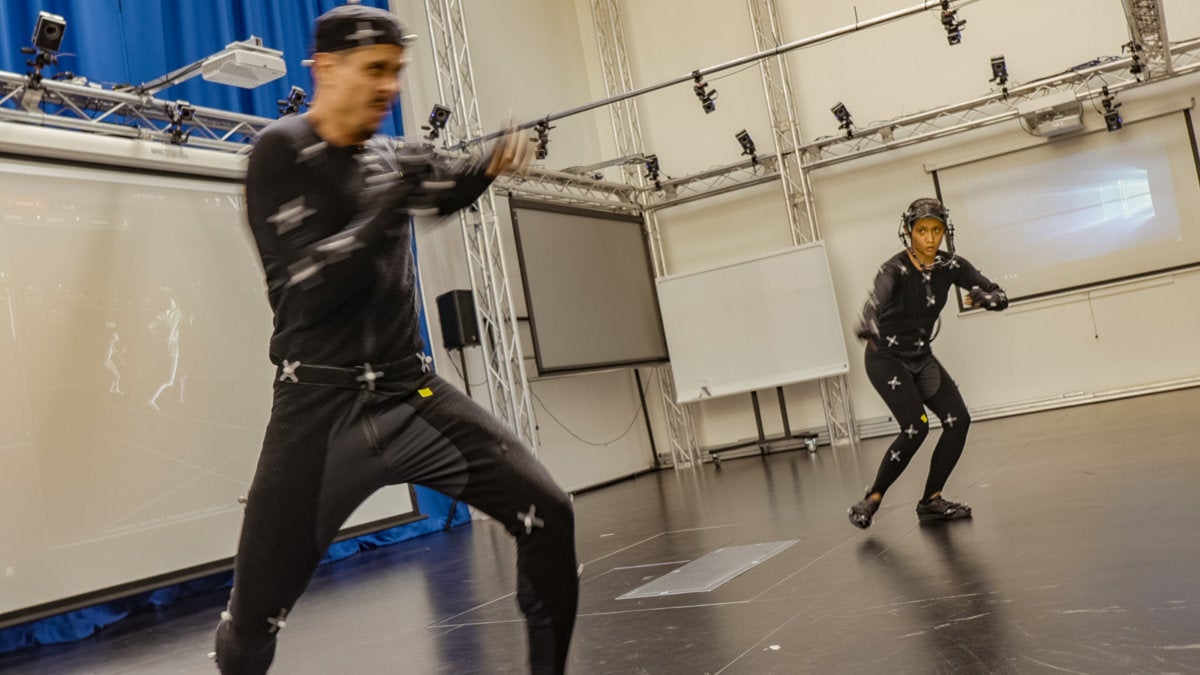
"When we are dancing, when we are at close range, we can hide markers, we can come around connected the knock down, we commode do fast fight performances and not even think most the tech we're wearing," Tantang says. "We can antitrust concentrate on doing information technology."
 Dominik Tomaszewski/IDG
 Both mo-chapiter performers are trained in martial arts.
Source: https://www.pcworld.com/article/402427/vicon-motion-capture-location-based-vr.html
Posted by: carterreanday37.blogspot.com
0 Response to "How next-gen motion capture will supercharge location-based VR arcades - carterreanday37"
Post a Comment